
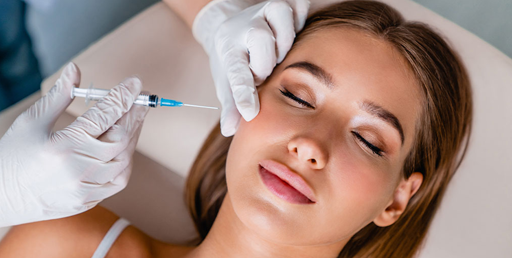
Dermatology is the medical branch specializing in the diagnosis and treatment of conditions affecting the skin, hair, nails, and mucous membranes.
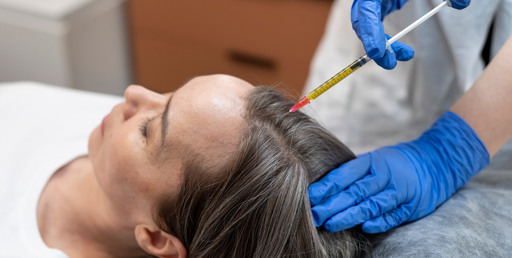
Trichology is the specialized para-medical science dedicated to the study, diagnosis, and treatment of diseases and disorders affecting the human hair and scalp.
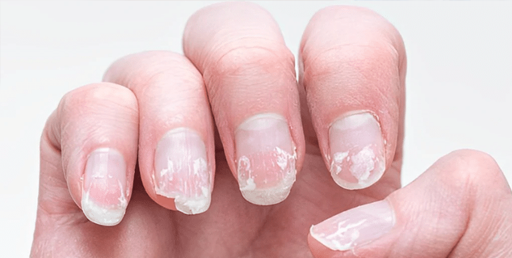
Nail disorders encompass a wide range of conditions affecting the texture, color, and shape of fingernails and toenails.
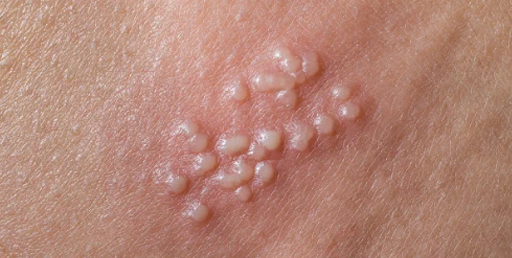
Venereology is a medical specialty focused on the diagnosis, treatment, and prevention of sexually transmitted infections (STIs).
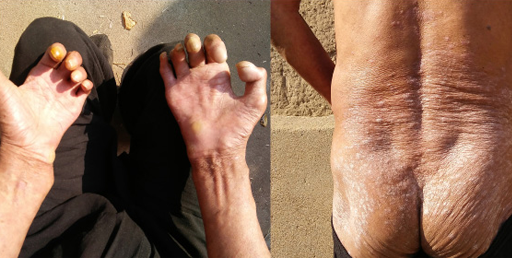
Leprosy, also known as Hansen's disease, is a chronic bacterial infection caused by Mycobacterium leprae or Mycobacterium lepromatosis.
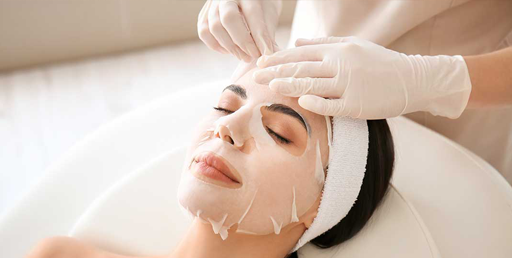
Cosmetology is the professional study and application of beauty treatments.
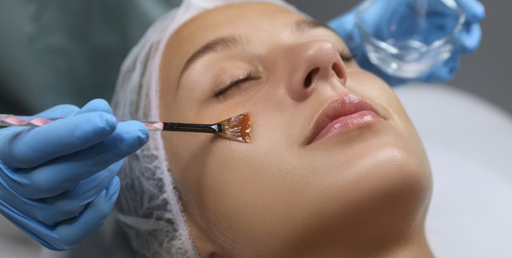
Chemical peels use curated acids to chemically exfoliate the skin. Applied by dermatologists or via at-home products, they cause controlled trauma to outer layers, forcing the skin to regenerate.
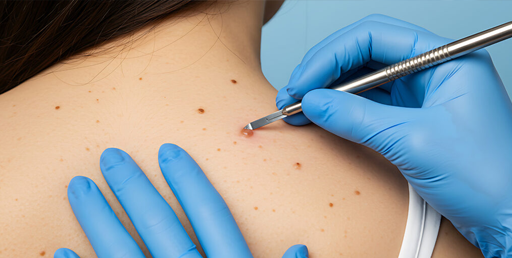
A skin biopsy is an outpatient procedure where a doctor removes a small sample of skin to examine under a microscope.
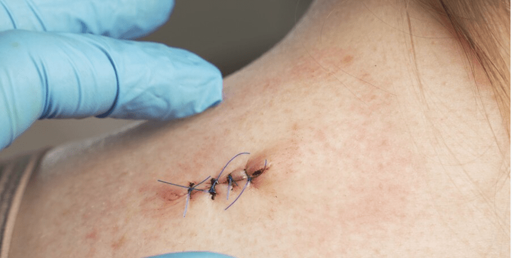
Dermatosurgery, or dermatologic surgery, is a specialized branch of dermatology focused on surgical and minimally invasive procedures to treat medical and cosmetic skin, hair, and nail conditions.
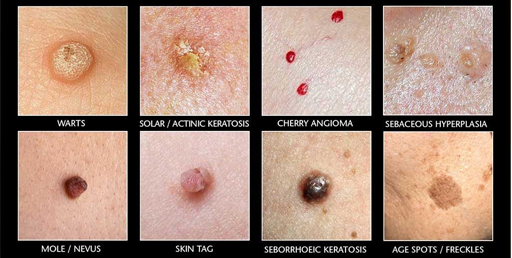
Skin tags, warts, and moles are common and benign, but can be removed via in-office dermatological procedures like cryotherapy, electrocautery, shave excision, or laser therapy.
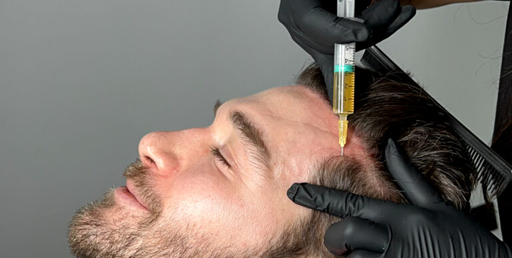
Platelet-Rich Plasma (PRP) therapy is a regenerative medical procedure that uses a patient's own concentrated platelets, rich in growth factors, to accelerate healing, stimulate hair growth, and rejuvenate the skin.
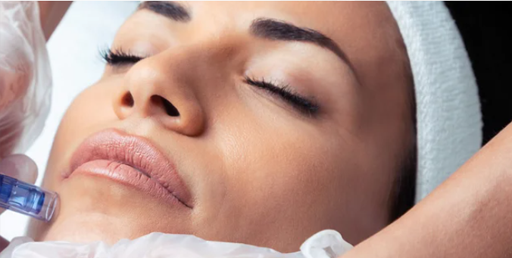
PDRN (Polydeoxyribonucleotide) and exosomes are popular, advanced skincare ingredients used together to deeply repair, firm, and rejuvenate the skin
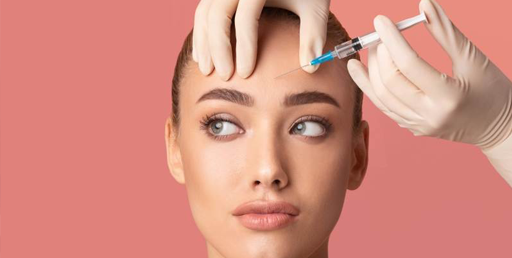
Botox and dermal fillers are distinct, minimally invasive cosmetic treatments. Botox relaxes the facial muscles responsible for dynamic wrinkles (like frown lines), whereas fillers use substances like hyaluronic acid to restore volume and plump areas like the cheeks and lips.
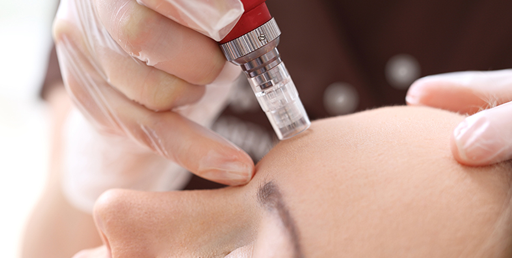
MNRF (Microneedling Radiofrequency) is an advanced dermatological treatment that combines fractional needling with thermal energy to remodel the skin.
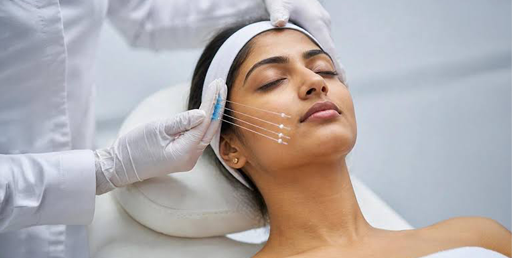
A thread lift is a minimally invasive cosmetic procedure where dissolvable or permanent sutures are inserted under the skin to gently lift and tighten sagging tissue.
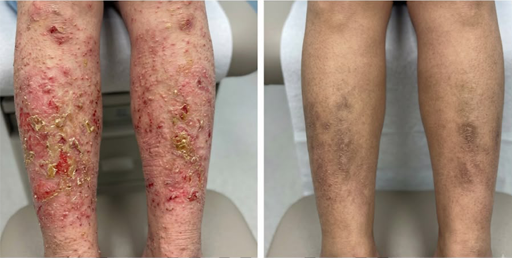
Eczema (also known as dermatitis) is a group of chronic skin conditions that cause inflammation, dryness, and intense itching.
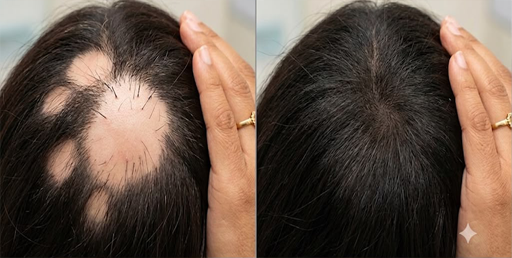
Alopecia areata is an autoimmune condition where the immune system mistakenly attacks hair follicles, causing hair to fall out in small, round patches on the scalp, face, or body.
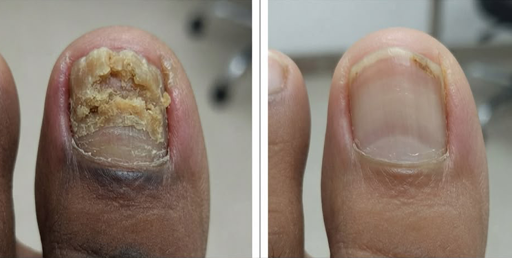
Nail infections are primarily caused by fungi, bacteria, or yeast, resulting in thickened, discolored, or painful nails.
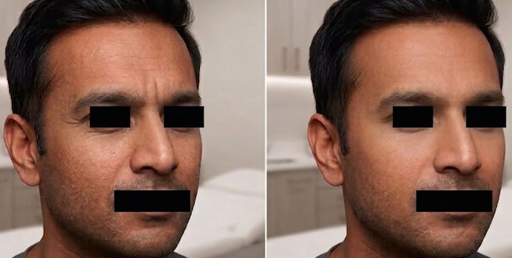
Wrinkles are visible creases, folds, or ridges in the skin. They naturally develop as a result of aging, UV sun damage, habitual facial expressions, and decreased production of collagen and elastin.
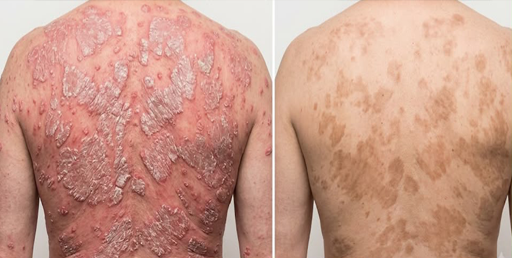
Psoriasis is a chronic, noncontagious autoimmune disease that causes skin cells to multiply up to ten times faster than normal.
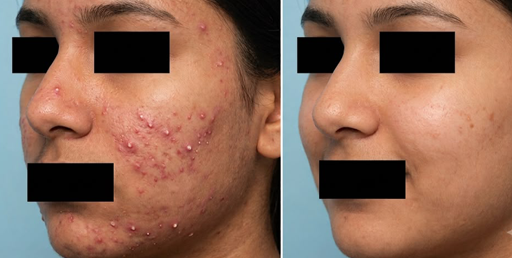
Acne vulgaris is a chronic inflammatory skin disease that occurs when hair follicles clog with oil and dead skin cells.
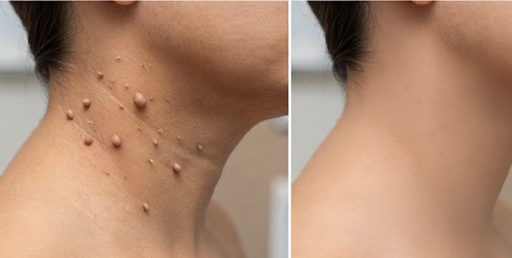
Skin tags are small, harmless, and noncancerous skin growths that typically appear on the neck, armpits, eyelids, groin, and under the breasts.
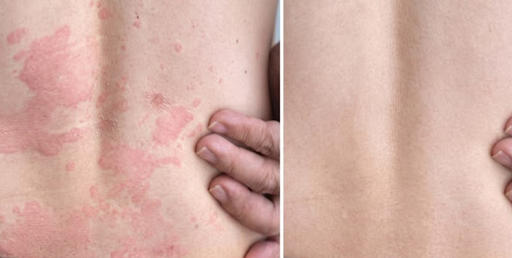
Urticaria, commonly known as hives, is a skin condition characterized by raised, intensely itchy welts.
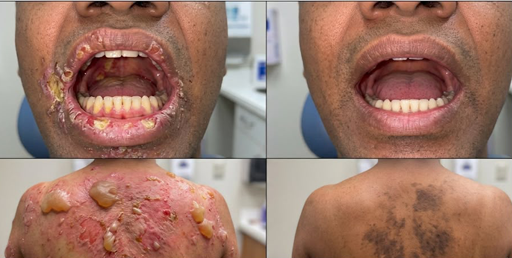
Pemphigus is a rare group of autoimmune diseases that cause painful blisters and sores on the skin and mucous membranes.
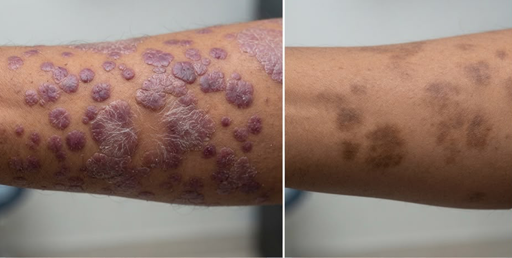
Lichen planus is an autoimmune condition that causes inflammation, resulting in purplish, itchy rashes on the skin and lacy white patches or painful sores inside the mouth, genitals, or nails.
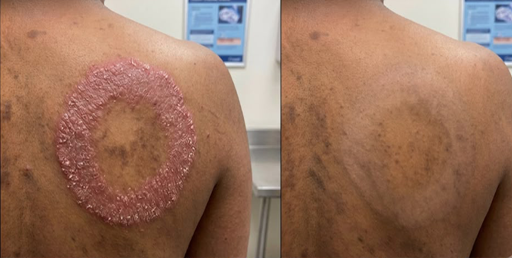
Fungal infections (mycosis) are caused by yeast or mold. Common superficial types affect the skin, nails, or mucous membranes (e.g., athlete's foot, jock itch, or yeast infections) and cause itching, rashes, or discoloration. Treat with antifungal medications and keep the area dry.
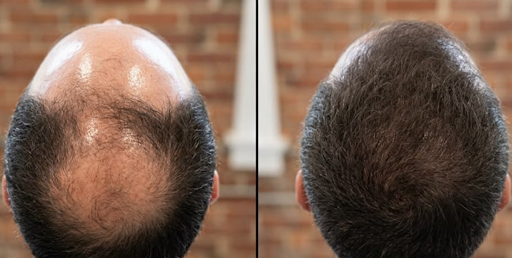
Androgenetic alopecia, or pattern baldness, is the most common type of hair loss. It is driven by genetics and a sensitivity to androgens (like DHT), causing hair follicles to shrink.
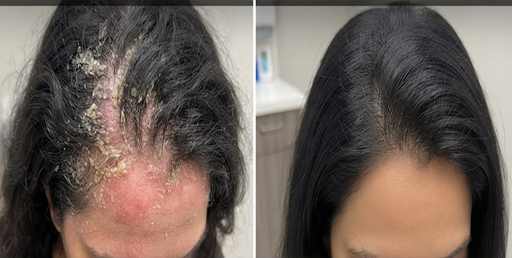
Seborrheic dermatitis is a common, non-contagious inflammatory skin condition that causes scaly patches, red skin, and stubborn dandruff.
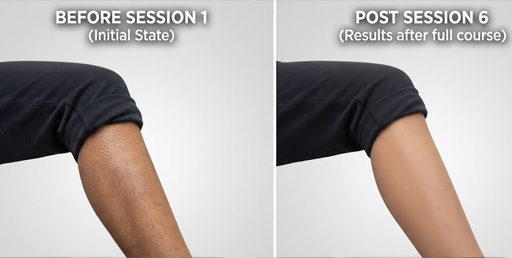
Laser Hair Reduction (LHR) is a cosmetic procedure that targets hair follicles with concentrated light energy (lasers), converting it to heat to inhibit future growth.
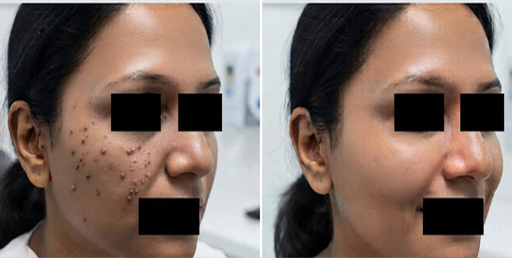
Viral skin infections are caused by germs that invade skin cells, leading to rashes, blisters, or lesions.
 +91 9325254592
 skinprivilege@gmail.com